Bar-headed Goose
Anser indicusFamed for flying over the Himalayas at extreme altitudes, these geese migrate from Central Asia to spend winter in the shallow waters of Mote Majra.
Discover a unique ecosystem where traditional Punjabi heritage harmoniously coexists with an ecological sanctuary for wintering migratory birds.
Situated in the Mohali tehsil of SAS Nagar (Mohali) district, Mote Majra represents the enduring spirit of classic Punjab, preserving nature amid rapid urban sprawl.
Located on the main Landran to Banur road, Mote Majra is a serene agricultural haven. It stands as a striking contrast to the high-tech, concrete expansions of Mohali's IT hubs, maintaining the slow-paced and culturally rich rhythm of traditional Punjabi village life.
The village plays a significant role in the local regional geography, positioned roughly 15 km from the district headquarters in Mohali and 20 km from Chandigarh. It bridges rural agriculture with urban convenience, hosting farmers, educators, and nature conservators.
"Our village carries the legacy of old Punjab, where the sound of tractors in the morning is answered by the calling of migratory geese in the wetlands."
— Baldev Singh, Local ResidentMeet the elected representatives working for the welfare, sustainable development, and ecological conservation of Mote Majra.
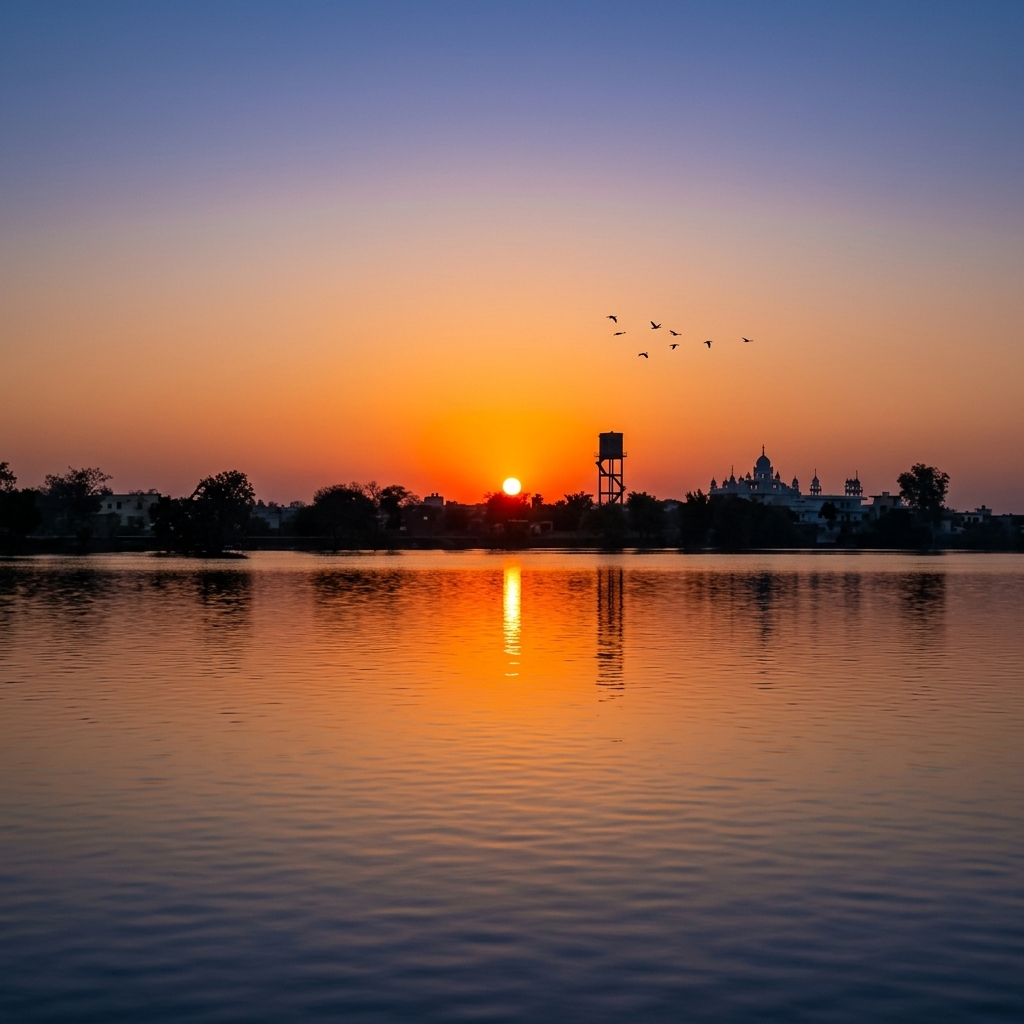
A shallow 25-acre freshwater body that serves as a vital winter stopover along the Central Asian Flyway, drawing hundreds of migratory birds from Siberia and Central Asia.
Famed for flying over the Himalayas at extreme altitudes, these geese migrate from Central Asia to spend winter in the shallow waters of Mote Majra.
Known locally as Brahminy Duck, these birds have striking orange-brown plumage. They breed in southeastern Europe and Central Asia before migrating.
Elegant ducks with long, pointed tails and chocolate-brown heads. They prefer shallow wetlands where they feed on aquatic plants and insects.
Also called the Purple Swamphen, these colorful birds are permanent residents, recognizable by their violet plumage, red bill, and long legs.
The wetland is utilized by villagers for growing water chestnuts (Singhadas) and lotus. While providing local revenue, it integrates human activity with ecology.
All-black waterbirds with a white frontal shield. They are highly active, swimming and diving frequently for food, and aggressive defenders of territory.
Despite its ecological significance, the Mote Majra Wetland is currently undeclared as a formal sanctuary. It faces pressures from commercial aquaculture leases, agricultural runoff, and the encroachment of surrounding urbanization. Environmentalists and village youths actively participate in garbage cleanup drives and campaign for a official wildlife sanctuary status to protect this stopover on the Central Asian Flyway.
Mote Majra prides itself on maintaining traditional virtues while integrating local infrastructure for its 2,100+ inhabitants.
Co-educational GHS Mote Majra provides government secondary education (grades 6-10), while the local Anganwadi Center serves early childhood care, pediatric health tracking, and essential nourishment.
A local Government Medical Dispensary provides basic healthcare checkups, diagnostic support, and free medicines. For emergency transport, the village is supported by a dedicated 24/7 ambulance.
The historic Gurudwara Sahib forms the village's spiritual and social anchor (hosting daily prayers and Langar). Additionally, the Radha Soami Satsang Ghar holds weekly spiritual discourses.
Daily provisions are served by local Kirana (grocery) stores. A popular sweet shop offers traditional Punjabi milk sweets and treats, while the bakery provides fresh bread, buns, and confectionery items.
The massive 32-acre freshwater wetland pond replenishes the local underground water table, sustaining tube-well irrigation for farmlands and maintaining ecological balance.
Wheat, paddy, and golden mustard crops form the agricultural spine. Social ties are preserved at the traditional Sathh, a banyan-shaded physical plaza where the Panchayat and elders discuss village affairs.
A collection of photographs and videos capturing the serene beauty, avian biodiversity, and warm community of Mote Majra.
Mote Majra is easily accessible, located along the vital Landran-Banur corridor in SAS Nagar (Mohali), Punjab.
Mote Majra sits in a well-connected region of Punjab, making it an excellent weekend day-trip destination for bird-watchers and nature photographers.
Are you a researcher, a birder visiting the wetlands, or a local resident? Share your suggestions, register sightings of rare birds (like the Barnacle Goose), or sign up for local conservation campaigns.
Follow @pind_motemajra on Instagram